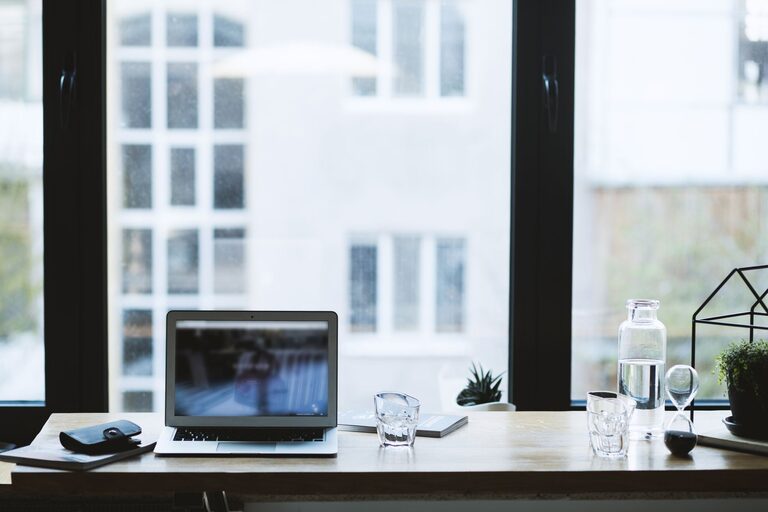
Creating a productive home office environment is essential for anyone working remotely or managing tasks from home. With the right setup, you can boost your focus, maintain motivation, and enjoy your workday. Whether you have a dedicated room or a cozy corner, these tips will help you design a workspace that supports your best work habits.
Choose the Right Location
The first step in setting up your home office is finding the ideal spot. Consider a place that minimizes distractions and offers enough space for your work essentials.
– Quiet and Private: Select an area away from high-traffic parts of your home to reduce noise and interruptions.
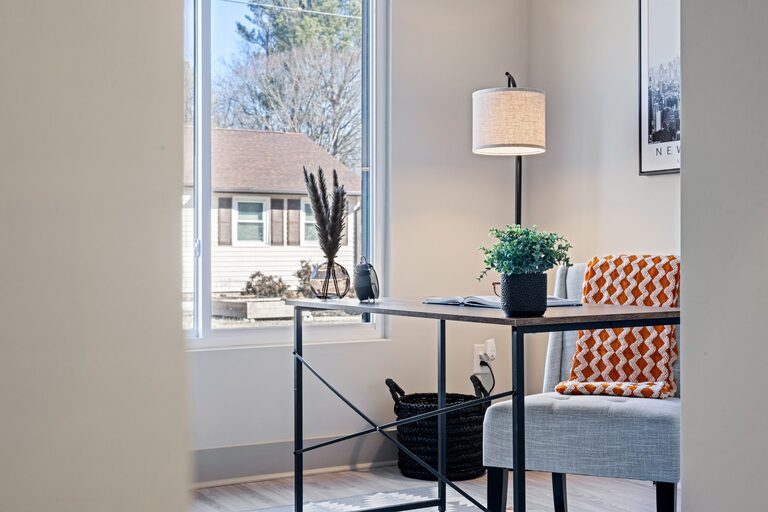
– Natural Light: A spot near a window can improve mood and energy levels.
– Good Ventilation: Fresh air helps you stay alert and comfortable throughout the day.
By choosing a location that meets these criteria, you create a foundation for productivity.
Invest in Comfortable and Functional Furniture
Your workspace should support your body and work style, reducing discomfort and strain.
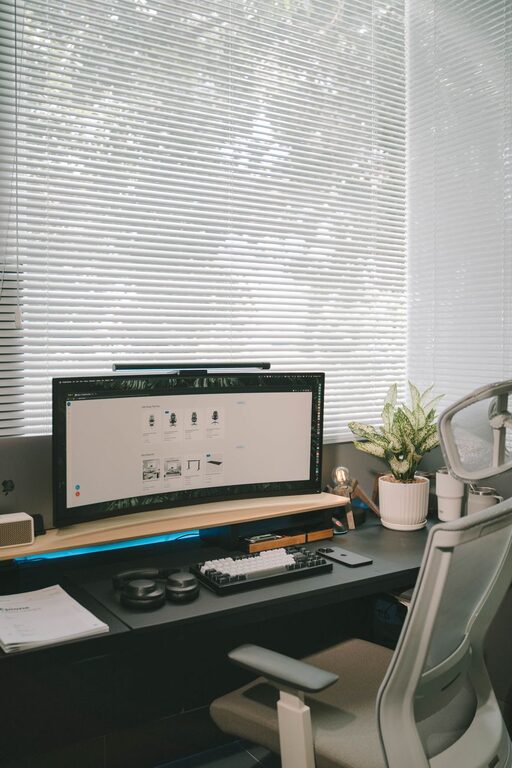
– Ergonomic Chair: Invest in a chair with good lumbar support, adjustable height, and comfortable padding.
– Appropriate Desk: Choose a desk that fits your space and allows you to organize your computer, paperwork, and accessories.
– Alternate Standing Options: Consider a sit-stand desk or a desk converter to change positions during the day.
Comfortable furniture prevents fatigue and promotes good posture, which is crucial for long hours of work.
Organize and Declutter Your Workspace
A tidy space can help you think more clearly and reduce stress.
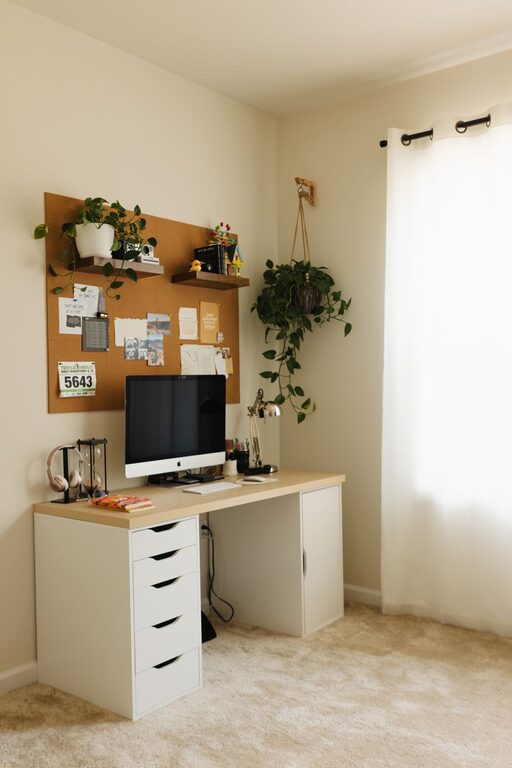
– Use Storage Solutions: Shelves, drawers, and organizers keep supplies and documents within reach but out of sight.
– Limit Desk Items: Only keep essentials on your desk to maintain focus.
– Regular Cleaning: Set aside time each week to clean and reorganize your space.
An organized environment supports concentration and efficiency.
Optimize Lighting for Productivity
Lighting affects your alertness and comfort, so it’s important to get it right.
– Natural Light: Position your desk to make the most of daylight without creating glare on your screen.
– Task Lighting: Use adjustable desk lamps to illuminate specific work areas.
– Ambient Lighting: Soft overhead lights can reduce eye strain during darker hours.
Good lighting reduces fatigue and fosters a pleasant work atmosphere.
Minimize Distractions
Controlling distractions helps you maintain focus throughout the day.
– Set Boundaries: Let family members or housemates know your work schedule and need for quiet time.
– Use Noise-Canceling Headphones: These can help block out background noise.
– Limit Digital Interruptions: Turn off non-essential notifications on your devices while working.
Creating a distraction-free zone supports sustained productivity.
Personalize Your Space
Adding personal touches can make your home office more inviting and inspiring.
– Decorate Thoughtfully: Use plants, artwork, or motivational quotes that uplift your mood.
– Choose Colors Wisely: Soft and neutral tones promote calm, while brighter colors can energize.
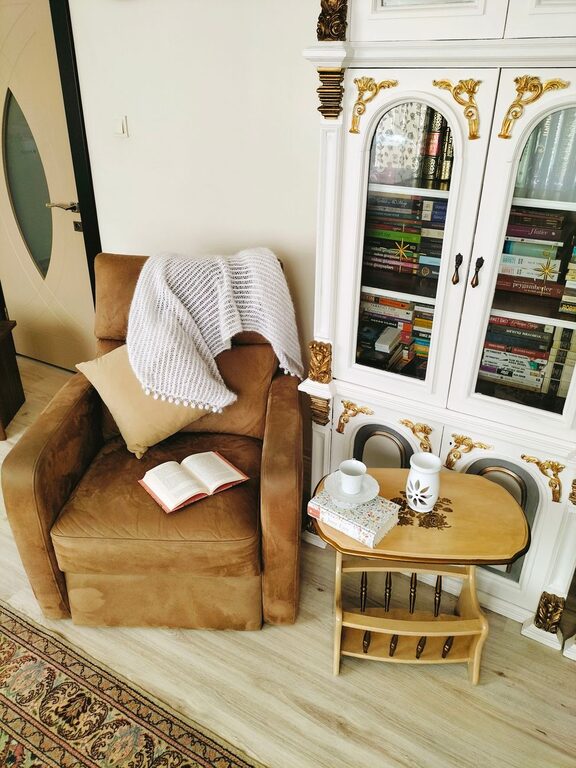
– Add Comfort Items: A cozy throw, cushions, or a footrest can enhance your comfort.
A personalized space helps you feel more connected and motivated.
Establish a Routine and Set Goals
Your environment works best when paired with good habits.
– Set Clear Work Hours: Maintain a consistent schedule to separate work from personal time.
– Plan Your Day: Use to-do lists or digital planners to stay organized.
– Take Scheduled Breaks: Step away from your workspace regularly to recharge.
Combining a well-designed space with a structured routine improves overall productivity.
Use Technology to Your Advantage
Leverage tools that enhance your workflow and communication.
– Reliable Internet: A strong connection is essential for remote work.
– Organizing Software: Apps for task management, note taking, or time tracking can keep you on track.
– Ergonomic Accessories: Consider keyboard and mouse options that reduce strain.
Integrating technology effectively can streamline your tasks and reduce frustration.
Maintain Work-Life Balance
Design your home office to support a healthy balance.
– Separate Work and Leisure: Use a designated space that you can leave when the workday ends.
– End-of-Day Rituals: Create habits to signal the transition from work to personal time.
– Avoid Overworking: Respect your boundaries to prevent burnout.
A balanced approach helps your mental wellbeing and long-term productivity.
—
By thoughtfully setting up your home office with these tips, you can create an environment that boosts your focus, supports your comfort, and helps you accomplish your goals every day. Remember, the best workspace is one that fits your personal needs and work style.
About the Author