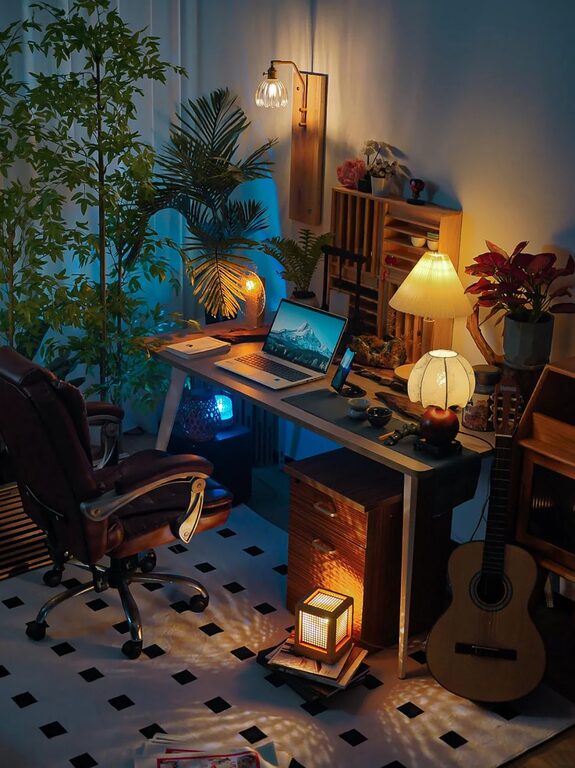
Creating a home workspace that is both cozy and functional can significantly improve your productivity and overall well-being. Whether you work remotely full-time, freelance, or need a dedicated spot for managing household tasks, designing the right environment can make a big difference. In this post, we’ll explore practical tips to help you create a workspace that feels inviting, supports your work, and fits seamlessly into your home.
Why a Cozy and Functional Workspace Matters
A well-designed workspace does more than just look good—it influences how well you focus, how comfortable you feel during long hours, and how organized your work life can be. When your workspace is cozy, it encourages you to spend time there without feeling tired or distracted. Functionality ensures that everything you need is within reach, minimizing disruptions and clutter. Together, these elements create an ideal setting for productivity and creativity.
Choose the Right Location
Selecting the right spot in your home for your workspace is the first step. Consider these factors:
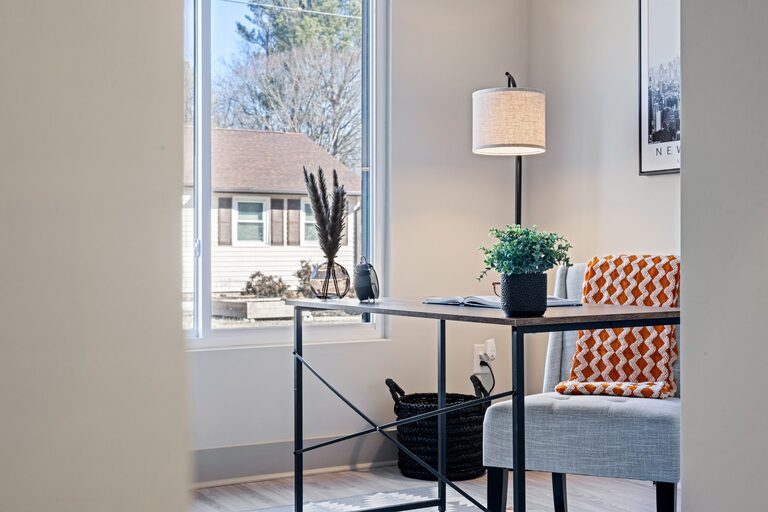
– Natural Light: Try to position your desk near a window to benefit from natural light. This helps reduce eye strain and boosts mood.
– Quiet Area: Find a space with minimal noise and foot traffic to help you concentrate.
– Space Availability: Even a small corner can work if it’s well-organized and dedicated solely to work.
Invest in Comfortable and Supportive Furniture
Your choice of furniture influences how long you can work comfortably.
– Ergonomic Chair: A chair with good lumbar support and adjustable height can prevent back pain.
– Desk: Choose a desk with enough surface area for your laptop, monitor, notebooks, and any other tools you use.
– Adjustable Options: If possible, consider a sit-stand desk to alternate your posture throughout the day.
Organize with Purpose
Clutter can quickly sap your productivity. Use smart organization strategies to keep your workspace tidy and efficient.
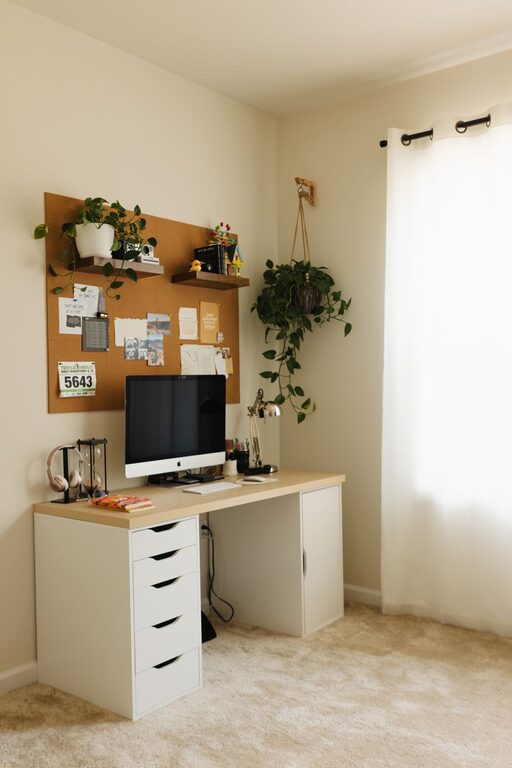
– Storage Solutions: Use shelves, drawers, or organizers to keep supplies within reach but out of sight.
– Cable Management: Use clips or cable organizers to prevent tangled cords.
– Daily Essentials: Keep only what you need for the day on your desk, and store the rest.
Add Personal Touches for Comfort
Personalizing your workspace creates a cozy feel and helps reduce stress.
– Plants: A small plant can improve air quality and add a splash of color.
– Lighting: Besides natural light, add a soft desk lamp for warm illumination that reduces glare.
– Decor: Add photos, artwork, or inspiring quotes to create a space that motivates you.
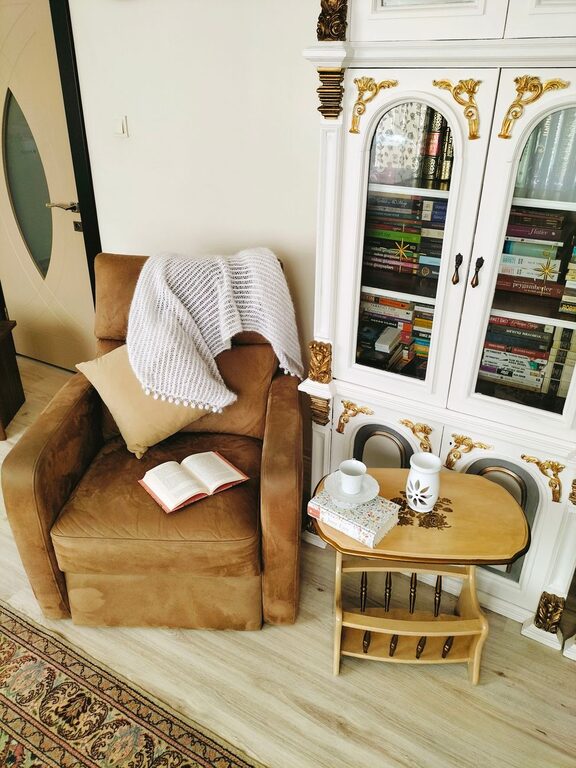
– Comfort Items: Consider a small cushion or cozy blanket if you feel chilly.
Use Color to Influence Mood
Colors have psychological effects that can impact your focus and creativity.
– Calming Colors: Blues and greens are known to have calming effects.
– Energetic Colors: Yellows and oranges can inspire creativity and optimism.
– Neutral Tones: Soft neutrals provide a clean backdrop that prevents over-stimulation.
Choose colors that resonate with you and suit the work you do.
Optimize Technology Setup
Technology is at the heart of most home workspaces and should be set up thoughtfully.
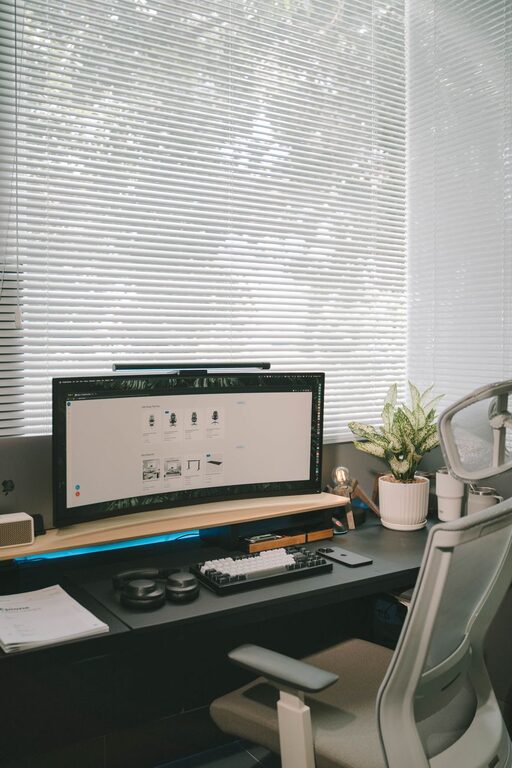
– Monitor Placement: Position your monitor at eye level to reduce neck strain.
– Keyboard and Mouse: Use ergonomic options to avoid repetitive strain injuries.
– Reliable Internet: Ensure you have a strong internet connection to avoid disruptions.
Maintain Work-Life Balance
A home workspace blurs the lines between work and personal life, so setting boundaries is key.
– Dedicated Workspace: Use a separate space when possible, so you can mentally switch off after work.
– Define Work Hours: Set clear work hours and take regular breaks to avoid burnout.
– End-of-Day Routine: Organize your workspace at the end of each day to signal the workday is over.
Keep It Flexible and Evolving
Your needs may change over time, so design your space to be adaptable.
– Modular Furniture: Choose pieces that can be rearranged easily.
– Seasonal Adjustments: Change lighting or add cozy elements in colder months.
– Evaluate Regularly: Periodically assess your workspace to identify what’s working and what isn’t.
Final Thoughts
Creating a cozy and functional home workspace is an investment in your productivity and comfort. By carefully selecting your location, investing in the right furniture, staying organized, adding personal touches, and setting boundaries, you can develop a space that supports your professional goals and well-being. Remember, the best workspace is one that feels uniquely yours and adapts to your lifestyle. Happy decorating!
About the Author